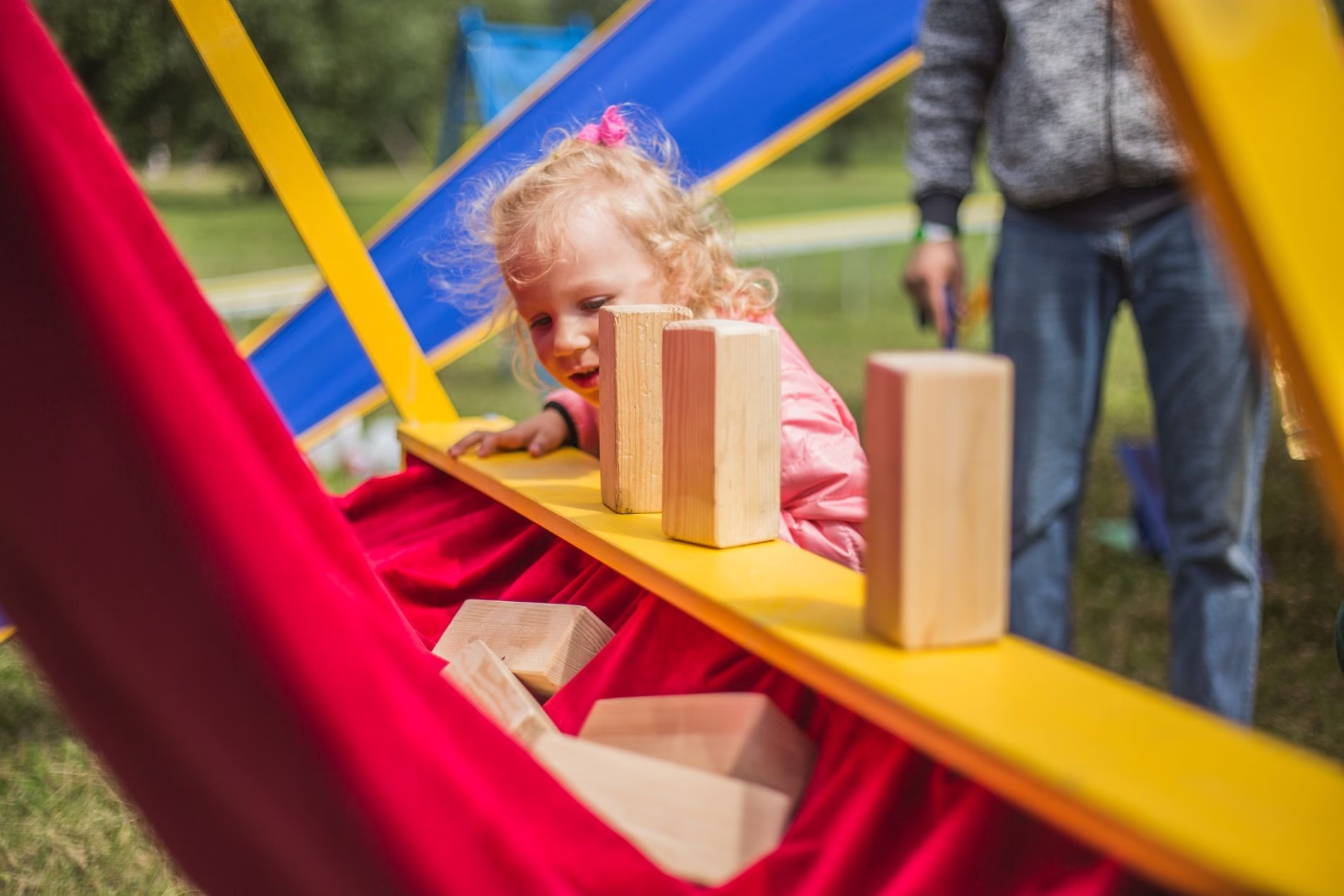
Children’s imagination may seem limitless to us adults, yet nurturing it is always highly recommended. Why? Because imagination, unfortunately, tends to fade with age and growing up. Fortunately, there are proven and reliable ways to exercise and stimulate it.
Developing imagination and creative abilities is often underestimated and wrongly associated with “excessive” fantasizing, which supposedly will not benefit our children later in life. This is a huge mistake! Proper, comprehensive stimulation of a child’s brain requires activating both the left “logical” hemisphere and the right one, responsible for intuition and creative skills. With the decreasing number of school hours dedicated to subjects like art, music, or handicraft, this task rests even more on parents. It’s worth dedicating time to it, because imagination not only helps creatively use acquired skills, but also foresee the consequences of one’s actions. And that’s not all: people with a well-developed imagination remember and absorb knowledge more easily. They often think outside the box, strive to find optimal solutions, and manage to get out of trouble when others have long given up.
Above all: fun!
Remember that you, as an adult parent or caregiver, are the child’s guide to the world. By playing creatively, encouraging experimentation, you help develop their imagination. You must be an engaged participant in the play, not a passive observer constantly glancing impatiently at your phone. So how can you play with your child while expanding their imagination?
- Storytelling: start a story and ask the child to finish it. You can also add one sentence at a time, creating a shared tale,
- All kinds of manual work: sculpting with clay or plasticine, painting, drawing, and later on also sculpture or… building sandcastles. While doing it, ask your child about details and encourage them to explain why their creations look the way they do,
- Home (and not only) theatre: this combines storytelling and manual work, as the child must prepare both the script and the puppets, dolls, or any other characters taking part in it. Together with a parent or caregiver, you can also create a mini shadow play using a lamp and a wall,
- Drawing to music: play some music (preferably instrumental) and ask the child to draw what the sounds remind them of. This is an excellent activity for practicing both imagination and manual skills.
However, regardless of what creative activity we propose to our child, it will not make much sense if we, as adults, do not participate and do not support the youngest in discovering, stimulating, and celebrating their imagination.