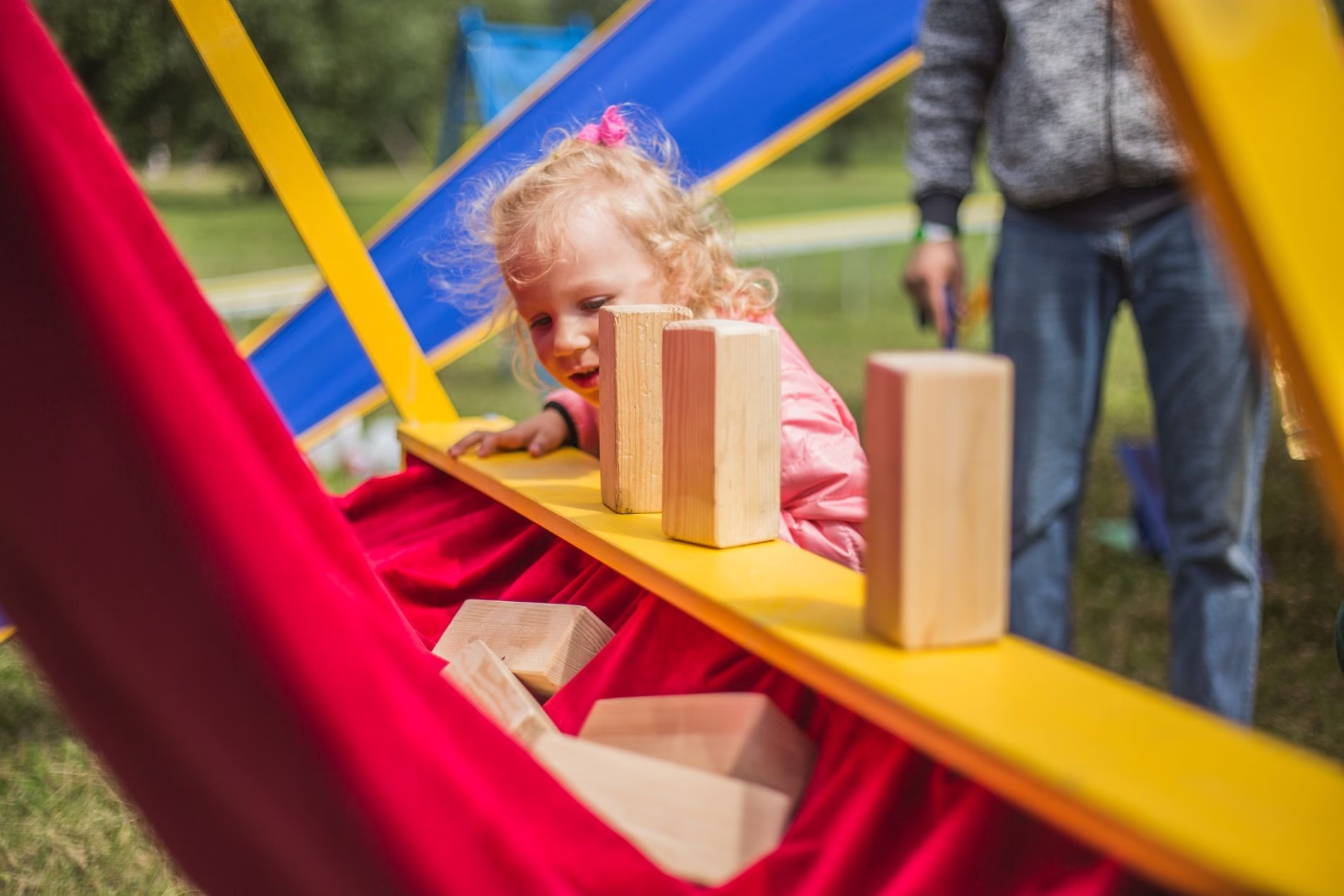
The creative potential dormant in our child is a set of skills that we, as parents and caregivers, should strengthen and develop. A passion for discovering the world is a trait that will benefit them later in life, allowing them to flourish and build beautiful experiences. But how can we support the natural predispositions of young minds? There are several ways.
Creatively in times of prosperity
Creativity is a skill that helps solve many problems — it enables dealing with unusual difficulties and limitations. Interestingly, it tends to fade as societies develop and become wealthier: thirty years ago, we were somewhat forced to “figure things out” and make what we needed ourselves, because such things simply weren’t available in Poland (or they were expensive and hard to get). Looking for innovative, effective solutions to everyday (and not only everyday) situations is useful in school, university, and later in professional life. Truly in every profession: creative thinking works well in the humanities as much as in technical fields. It can be stimulated from the earliest years, and without major financial investment.
Support, help, encourage, cheer
If your child likes to fantasize, comes up with a hundred ideas per minute, and enjoys making “something out of nothing,” let them do it. Don’t criticize, don’t complain about the potential mess such play might create. Instead, create for your child a safe space to express themselves and their creativity:
- encourage drawing and painting (if possible, designate one wall for this purpose or buy the largest sheet of paper you can; also provide a large set of crayons, and paints will work as well);
- tell your child stories and encourage them to create their own, even the most fantastic ones (a great opportunity is reading a bedtime story, which can be turned into a joint storytelling activity);
- buy toys that allow creative experimentation — instead of fancy, expensive gadgets, choose modeling clay, playdough, blocks, and building sets that offer possibilities rather than limitations;
Be an inspiration
Supporting your child’s creativity also means holding back criticism and offering constructive praise that encourages further action. It also means being an inspiration — after all, who do our children model themselves on if not the adults around them? Approach everyday activities creatively, such as cooking, which can unleash imagination, singing together, or small household tasks. Show that gaining knowledge is great fun, not a boring obligation: colors, letters, or numbers can be taught using everyday objects even to very young children. Interactive exhibitions and museums also help, explaining even the most difficult topics in an interesting, unconventional way. And finally, the most important thing: if you want your child to be creative, start with yourself. Spend more quality time with them, put down your phone, limit mindless TV watching. Because the biggest and most important example for our little ones is us.